Human Capacity

A Space To Understand Yourself, Your Experiences And Your Relationships

Warm, compassionate Humanistic Integrative counselling, online and in person.

Do you feel overwhelmed, stuck or disconnected? Perhaps you keep finding yourself in the same situations, relationships or emotional cycles and don’t understand why. Or maybe something simply doesn’t feel right, but you don’t know where to begin.

You don’t need to have the answers before you come to counselling.

Book a free 20-minute introductory call

Hello, I’m Dawn

I’m a qualified Humanistic Integrative Counsellor and Registered Member of the British Association for Counselling and Psychotherapy (MBACP).

My work is grounded in the belief that we are shaped by our experiences, our relationships and the ways we have learned to make sense of the world around us.

Alongside my counselling practice, I have several years’ experience supporting adults experiencing emotional distress and complex life challenges within crisis mental health services.

My wider training includes Peer-Supported Open Dialogue, foundation training in Family Therapy and neurodiversity-informed practice. I’m currently undertaking a Level 5 Diploma in Relational Counselling with Relate, further developing my work with couples and relationships.

I also have a background in food, nutrition and working with the body, which has contributed to my interest in the relationship between our physical experiences, emotions and mental wellbeing. This has led me to become particularly curious about the ways our body, nervous system, emotions, thoughts and relationships interact.

Sometimes what we experience emotionally can be felt physically before we have words for it. Sometimes what is happening in our body can influence how we think, feel and respond. I believe these different parts of our experience are connected, and counselling can give us space to become curious about that connection.

Cosy living room with a beige sofa, armchair and houseplants, creating a calm, welcoming space

Why Relationships Matter

We don’t develop in isolation. The relationships we experience throughout our lives can influence how we see ourselves and the world around us.

The ways we have been understood, valued, accepted, criticised or responded to can shape what we come to believe about ourselves and how we relate to other people.

This is why relationships are an important part of my work, even when counselling is individual. Together, we can explore how your experiences and relationships may have shaped the ways you understand yourself, respond to others and move through the world.

And sometimes, this helps us begin to notice something: the same patterns can show up again and again.

Mother and teenage daughter walking outdoors together, laughing

Do You Find Yourself In The Same Cycles?

Have you ever thought:

“Why do I keep doing this?”
“I know it’s not good for me, but I can’t seem to change it.”
“Why do I always end up here?”
“I understand it, but I still feel the same way.”

Maybe it’s something that happens in relationships. Maybe it’s how you respond when you feel rejected, overwhelmed or criticised. Maybe it’s the way you talk to yourself. Maybe you keep putting other people first. Or perhaps you find yourself avoiding things, shutting down or becoming overwhelmed without really understanding why.

Sometimes we can become caught in patterns that are difficult to shift. Counselling can give us space to slow the cycle down.

Together, we can become curious about: what keeps happening? What happens just before it? What are you feeling? What is happening in your body? What are you needing? What might you have learned along the way?

And perhaps: could there be another way of understanding what is happening?

Path through a green hedge maze
Bare tree roots exposed above the ground

What Might Be Underneath?

Sometimes what we experience on the surface is only part of the story.

Anxiety might be connected to feeling unsafe. Anger might be protecting something more vulnerable. People-pleasing might have developed from learning that keeping others happy felt safer. Perfectionism might be connected to fear of getting things wrong. Feeling disconnected might be a way of protecting yourself from feeling too much.

And sometimes, we simply don’t know yet. We don’t have to know before we begin. We can explore it together.

When Mind, Body And Emotions Meet

Our experiences don’t always happen neatly in separate categories. You might notice your thoughts racing when your body feels tense. You might feel overwhelmed before you understand what you’re overwhelmed by. You might notice your body responding to something before you have found the words to explain it.

Together, we can become curious about these responses. This might mean noticing sensations, emotions, thoughts, behaviours or the things that happen around you. Noticing the connection can sometimes help us understand ourselves differently.

Bare feet standing in shallow water at golden hour
String lights woven through bare tree branches at night

Exploring Different Parts Of Ourselves

You might notice that different parts of you seem to want different things.

One part wants to leave. Another wants to stay.
One part wants to speak up. Another tells you to keep quiet.
One part wants connection. Another wants to protect you from being hurt.

Rather than judging these contradictions, we can become curious about them. What might each part be trying to do for you? What does it need? Where might you have learned this way of responding?

Exploring these different parts can help us understand ourselves with greater compassion.

How I Work

There isn’t one way we have to do this. As a Humanistic Integrative Counsellor, I draw from different therapeutic approaches rather than following one fixed model.

My training includes Person-Centred, Gestalt and Transactional Analysis approaches, alongside developing relational, systemic and narrative perspectives. But you don’t need to know which approach you need before you begin.

Some people find talking things through helpful. Others may benefit from exploring patterns, relationships, emotions or what they notice physically. Sometimes words don’t quite capture an experience, and creative ways of exploring can offer another way in.

I adapt the way I work according to you, your needs, how you communicate and process experience, and what feels useful to you. We can discover together what works.

What I Can Support You With

I work with adults experiencing a range of emotional and relational difficulties, including:

  • Anxiety and emotional overwhelm
  • Low self-worth and confidence
  • Relationship difficulties
  • Grief and loss
  • Trauma and difficult experiences
  • Stress and burnout
  • Life transitions
  • Neurodiversity and different ways of processing experience
  • Body image concerns
  • Difficulties in your relationship with food

You don’t need a diagnosis or a clear explanation for what you’re experiencing. Sometimes knowing that something doesn’t feel right is enough reason to seek support.

What to Expect

Free 20-minute introductory call

A chance to talk briefly about what has brought you to counselling, ask questions and consider whether we might be a good fit. There’s no pressure to commit.

Starting counselling

If we decide to work together, we’ll begin at a pace that feels manageable. You don’t need to arrive knowing exactly what you want to talk about.

Online or in person

Sessions are available online and in person, depending on what feels most comfortable and accessible for you.

Hands framing the sun at sunset

Pricing

I offer flexible, collaborative counselling for adults online and in person, whatever feels most comfortable and accessible for you.

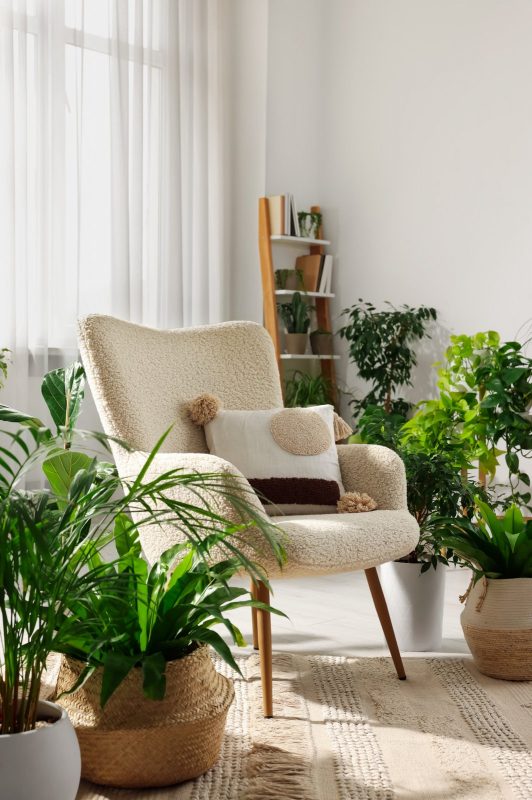
Cream boucle armchair beside houseplants in a sunlit room
Individual Counselling
£40–£45
£40 online | £45 in person | 50-minute session
50-minute weekly sessions
Online or in person
Free 20-minute introductory call
Concession Rate
£35–£40
£35 online | £40 in person | 50-minute session
50-minute weekly sessions
Online or in person
A limited number of concession spaces are available

Free 20-minute introductory call. Get in touch to arrange an introductory call so we can discuss what has brought you to counselling and whether I feel like the right counsellor for you.

Arrange an introductory call

Frequently Asked Questions

Sessions are 50 minutes.

Sessions are usually weekly, although this can be discussed according to your circumstances and needs.

There is no set number. We can review how things are progressing together.

That’s okay. You don’t need to arrive with everything worked out. We can begin with whatever feels most important to you.

Counselling is confidential within the boundaries explained in your counselling contract, including circumstances where there may be concerns about serious risk or safeguarding.

The Parkstone Practice counselling room in Poole

Our Counselling Space

For face to face counselling, I work out of:

The Parkstone Practice
174 Bournemouth Road
Parkstone
Poole
BH14 9HA

Start Your Counselling Journey

Get in touch

You don’t have to know exactly what you need before getting in touch. If you would like to explore whether counselling with Human Capacity might be right for you, you are welcome to arrange a free 20-minute introductory call.

Email: info@humancapacity.co.uk
Telephone: 07771 464282

Address:
174 Bournemouth Road
Parkstone, Poole
BH14 9HA

Send an enquiry